
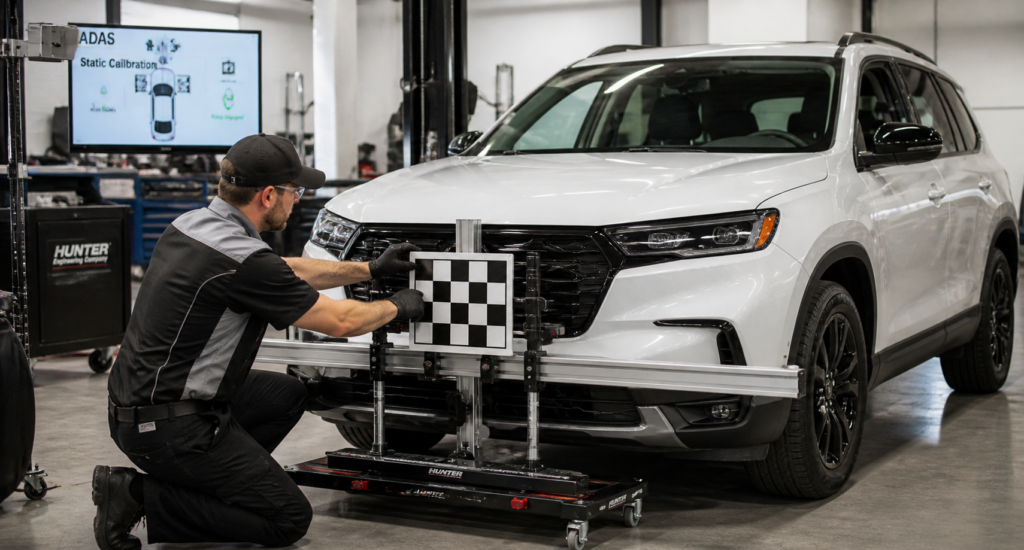
Modern vehicles are smarter than ever. Advanced Driver Assistance Systems, commonly known as ADAS, are now standard in many cars. These systems help drivers stay safe, avoid collisions, and improve overall driving experience. However, they also change how repairs and maintenance are handled.
If your vehicle has features like lane departure warning, automatic emergency braking, or adaptive cruise control, understanding ADAS is essential. Even minor repairs may now require specialized calibration to keep these systems working properly.
What Is ADAS and Why It Matters
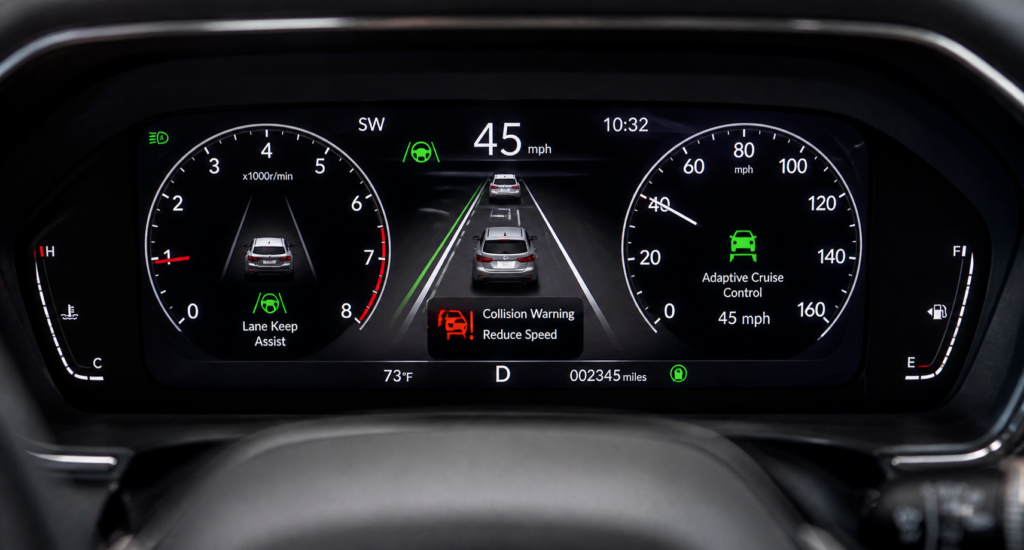
ADAS refers to a group of electronic technologies designed to assist drivers. These systems rely on cameras, sensors, radar, and software to monitor surroundings and respond to potential hazards.
Common ADAS features include:
- Lane keeping assist
- Forward collision warning
- Blind spot monitoring
- Parking assist
- Adaptive cruise control
According to the National Highway Traffic Safety Administration, these technologies may significantly reduce accidents when functioning correctly.
Why ADAS Changes Car Repairs
Traditional vehicle repairs focused on mechanical components. Today, repairs often involve sensitive electronics and precise calibration.
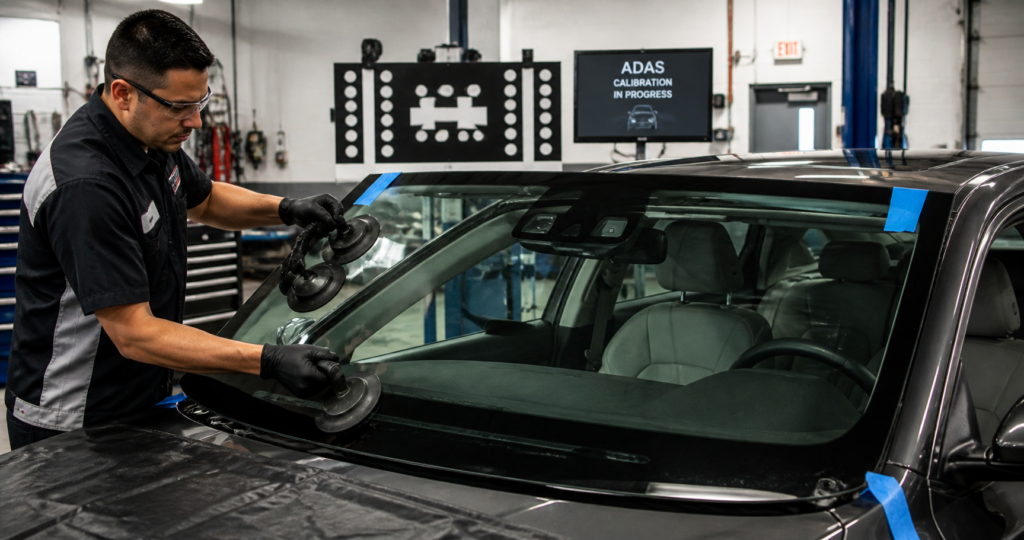
For example, replacing a windshield may seem simple. However, many windshields house forward-facing cameras. After replacement, those cameras must be recalibrated. Without proper calibration, safety features may not work as intended.
This is why modern repair shops must stay updated with advanced tools and training.
Common Repairs That Require ADAS Calibration
You might be surprised how many routine services now involve ADAS recalibration:
- Windshield replacement
- Collision repairs
- Wheel alignment
- Suspension repairs
- Sensor replacement
Even a small misalignment may affect how sensors detect distance and movement. The Insurance Institute for Highway Safety highlights that improper calibration may reduce the effectiveness of safety systems.
Types of ADAS Calibration
There are two main types of ADAS calibration:
Static Calibration
This process is performed in a controlled environment using specialized equipment. Technicians align sensors and cameras based on manufacturer specifications.
Dynamic Calibration
This involves driving the vehicle under specific conditions. The system calibrates itself using real-time data.
Some vehicles require both methods to ensure accuracy.
How ADAS Impacts Repair Costs
ADAS systems may increase repair costs due to added complexity. Specialized tools, trained technicians, and calibration procedures all contribute to pricing.
However, these systems also help prevent accidents, which may reduce long-term expenses related to major repairs or injuries.
The Consumer Reports notes that while ADAS repairs may cost more upfront, they provide valuable safety benefits.
Why Choosing the Right Repair Shop Matters
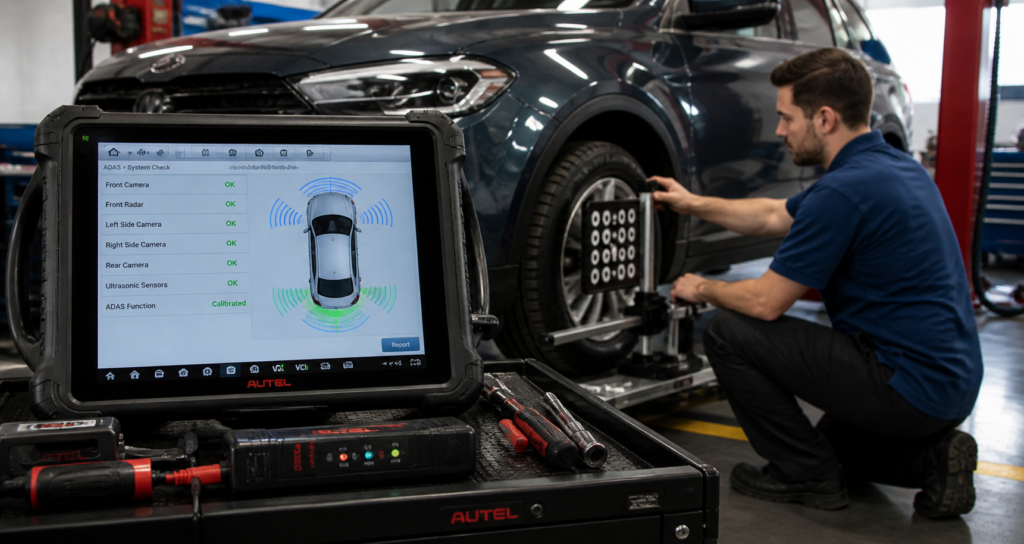
Not all repair shops are equipped to handle ADAS systems. Proper calibration requires specialized equipment and trained technicians.
Working with a knowledgeable shop helps reduce risks associated with improper repairs. It also helps maintain your vehicle’s safety features and performance.
If you want to learn more about general vehicle care, check out our guide on “How to Extend the Life of Your Vehicle with Regular Maintenance”.
Tips to Maintain ADAS Performance
Keeping your ADAS systems functioning properly does not have to be complicated. Here are some practical tips:
- Keep sensors and cameras clean
- Avoid modifying factory-installed components
- Schedule regular inspections
- Address warning lights promptly
You may also find our article on “Top 10 Signs Your Car Needs a Check-Up” helpful for overall vehicle performance.
The Future of Automotive Technology
ADAS technology continues to evolve. Many manufacturers are moving toward semi-autonomous and fully autonomous driving systems. This means even more advanced sensors and software will become part of everyday vehicles.
The SAE International outlines different levels of vehicle automation, showing how quickly this technology is progressing.
As vehicles become more advanced, staying informed about maintenance requirements becomes even more important.
Final Thoughts
ADAS systems are changing the way vehicles are repaired and maintained. While they add complexity, they also provide significant safety benefits. Understanding how these systems work helps you make better decisions about your vehicle’s care.
Whether it is a simple repair or a more complex issue, making sure your ADAS features are properly calibrated may help maintain safety and performance on the road.
For more insights, explore trusted resources like Edmunds Car Safety and Kelley Blue Book Safety Tips.