
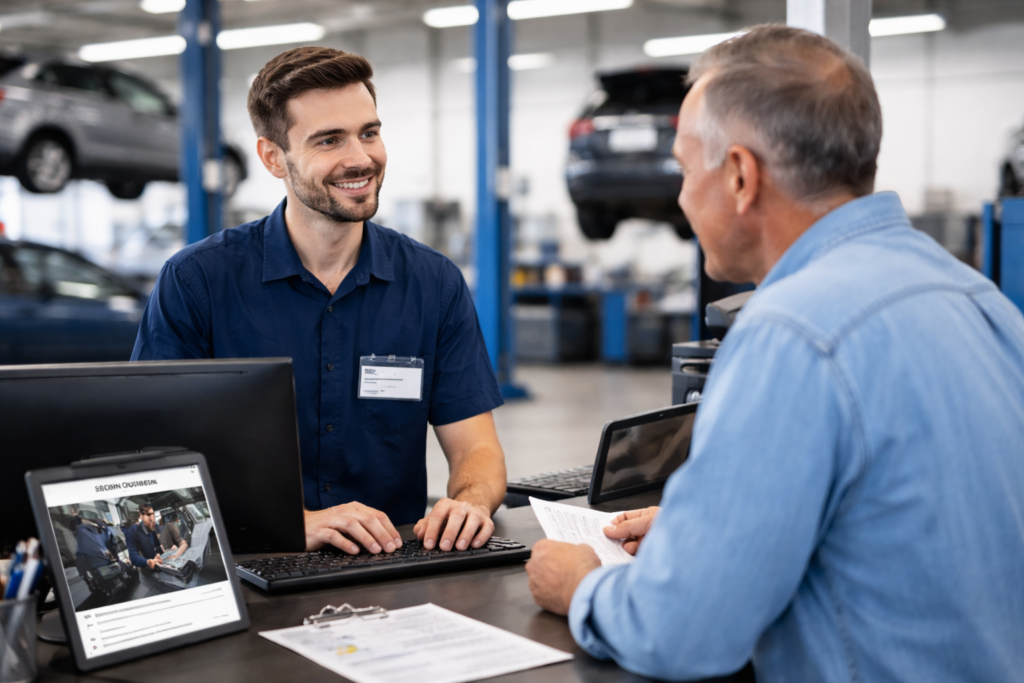
Regular vehicle maintenance is not just about keeping your car running smoothly; it can also save you significant amounts of money in the long term. By performing regular checks and repairs, you can avoid costly breakdowns that can leave you stranded and facing hefty repair bills.
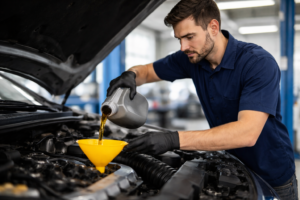
Why Is Routine Maintenance Important?
Routine maintenance helps identify issues early, reducing the risk of more severe and expensive problems down the road. For example, changing your oil regularly can prevent engine damage, and checking brake pads can avoid costly brake system repairs.
Furthermore, by keeping your vehicle in top shape, you enhance its fuel efficiency, extending its life, and preventing unexpected failures. Keeping up with your vehicle’s maintenance schedule ensures that you’re not only driving safely but also keeping your long-term expenses low.
Learn more about routine vehicle maintenance here.
Additionally, maintaining your car can increase its resale value. A well-maintained car will often fetch a higher price than one that has been neglected, offering you a better return when it’s time to sell or trade it in.
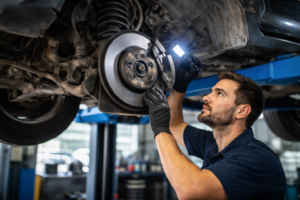
What Happens During Routine Maintenance?
During a standard maintenance check, mechanics will inspect several components, including your car’s engine, transmission, brakes, tires, and fluids. Depending on your car’s age and mileage, some parts may need to be replaced or repaired to keep your vehicle running optimally.
Read more about repair services.
Routine maintenance is a key factor in preventing breakdowns, ensuring you avoid costly repairs and inconvenience. By investing a small amount in regular checkups, you save yourself from expensive repair bills that can arise from ignoring your car’s needs.