
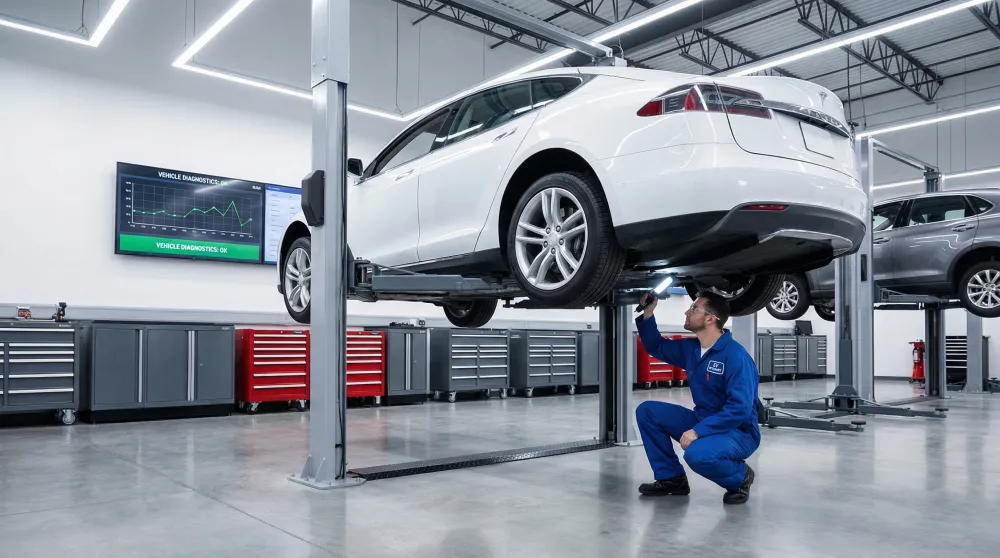
The automotive landscape is rapidly evolving, and as we move further into 2026, more drivers are making the switch to electric vehicles. This shift brings a new set of questions and considerations, particularly regarding how to properly care for these advanced machines. While electric vehicles are renowned for their efficiency and environmental benefits, they still require regular attention to ensure optimal performance and longevity. Understanding the nuances of electric vehicle maintenance is crucial for both new and experienced EV owners who want to protect their investment and enjoy a seamless driving experience.
Many drivers assume that because electric cars lack a traditional internal combustion engine, they are entirely maintenance-free. However, this is a common misconception that can lead to unexpected issues down the road. Electric vehicles are complex, software-driven systems that rely on sophisticated battery technology, specialized cooling systems, and unique braking mechanisms. By staying informed about the specific needs of your EV, you can avoid costly repairs and keep your vehicle running smoothly for years to come.
The Reality of Electric Vehicle Maintenance Costs
One of the most appealing aspects of owning an electric vehicle is the potential for significant cost savings over time. According to recent industry analyses, electric cars generally require about 50% less maintenance than their gasoline-powered counterparts. This reduction is primarily due to the fact that EVs have far fewer moving parts. You no longer have to worry about routine oil changes, spark plug replacements, or exhaust system repairs. For most mainstream electric cars in 2026, realistic annual maintenance costs typically land between $150 and $400 for routine servicing.
Despite these lower routine costs, it is important to recognize that when an electric vehicle does require repairs, the expenses can sometimes be higher than expected. The specialized nature of EV components, particularly the high-voltage battery pack and complex electronic systems, means that repairs must be handled by trained professionals with the right diagnostic equipment. This is why establishing a relationship with a trusted, knowledgeable auto repair shop is just as important for EV owners as it is for those driving traditional vehicles. If you are curious about how to manage these expenses, you can read more about How To Save Money On Car Repairs Without Compromising Quality.
Prioritizing Battery Health and Longevity
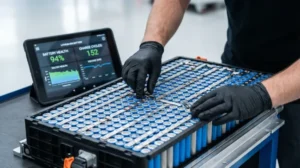
The battery pack is undoubtedly the heart of any electric vehicle, and its health directly impacts the car’s range, performance, and overall value. Unlike the standard 12-volt battery found in gas cars, an EV’s lithium-ion battery is a massive, highly engineered component that requires careful management. Over time, all batteries experience some degree of degradation, which gradually reduces the total amount of energy they can store. However, how you charge and operate your vehicle can significantly influence the rate of this degradation, as battery management best practices show.
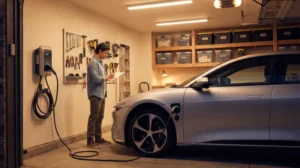
To maximize the lifespan of your EV battery, experts recommend avoiding extreme charging habits. Consistently charging the battery to 100% or letting it drop near 0% can accelerate wear and tear on the cells. Instead, aim to keep the charge level between 20% and 80% for daily driving, reserving full charges only for long road trips. Additionally, while fast charging stations are incredibly convenient, relying on them exclusively can generate excess heat that stresses the battery over time. Utilizing a Level 2 home charger for regular overnight charging is generally the best practice for long-term battery health.
The Importance of Software Updates and Diagnostics
In 2026, electric vehicles are essentially computers on wheels. They rely heavily on complex software to manage everything from battery temperature and motor output to infotainment systems and advanced driver-assistance features. Because of this reliance on digital systems, software glitches and update requirements have become some of the most frequent maintenance issues for EV owners. Keeping your vehicle’s software up to date is critical, as manufacturers frequently release patches that improve efficiency, fix bugs, and even unlock new features.
While many modern EVs support over-the-air (OTA) updates, some critical system updates or complex diagnostic issues still require professional attention. The diagnostic process for an electric vehicle has evolved far beyond simply reading a fault code. Technicians now use advanced, platform-based diagnostic tools to view the entire interconnected system, pinpointing issues that may involve multiple sensors or electronic control units simultaneously. This level of complexity underscores the need for specialized service centers that are equipped to handle the unique demands of modern electric vehicle maintenance.
Brake System Care and Regenerative Braking
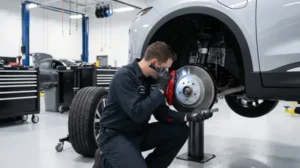
One of the unique features of electric and hybrid vehicles is regenerative braking. This system captures the kinetic energy normally lost during deceleration and converts it back into electricity to recharge the battery. Because the electric motor handles much of the braking force, the traditional friction brakes — pads and rotors — are used far less frequently than in a gas-powered car. As a result, EV brake pads can often last significantly longer, sometimes exceeding 100,000 miles before needing replacement.
However, this reduced usage presents its own set of challenges. Because the friction brakes are used infrequently, they can be prone to rust and corrosion, especially in areas with harsh weather or road salt. It is essential to have your brake system inspected regularly to ensure the calipers are moving freely and the rotors are clean. Technicians will also check the brake fluid, which still degrades over time and needs to be flushed according to the manufacturer’s schedule. For more general advice on keeping your car in top shape, check out our guide on Top 5 Car Maintenance Tips Every Driver Should Know.
Tire Wear and Suspension Considerations
Electric vehicles are typically much heavier than their internal combustion counterparts due to the substantial weight of the battery pack. Furthermore, electric motors deliver instant torque, providing rapid acceleration from a standstill. This combination of heavy weight and high torque puts a significant amount of stress on the vehicle’s tires and suspension components. Consequently, EV owners often find that their tires wear out faster than they might expect.
Regular tire maintenance is absolutely critical for electric vehicles. This includes frequent tire rotations to ensure even wear, maintaining the correct tire pressure to optimize range and handling, and performing regular wheel alignments. When it comes time to replace the tires, it is highly recommended to choose tires specifically designed for electric vehicles. These specialized tires are engineered to handle the extra weight, reduce rolling resistance for better efficiency, and minimize road noise — which is far more noticeable in the quiet cabin of an EV. You can learn more about the U.S. Department of Energy’s guidance on EV maintenance and safety for additional manufacturer-recommended service intervals.
Cooling Systems and Fluid Management
While electric vehicles do not require engine oil, they still utilize various fluids that need to be monitored and maintained. The most critical of these is the thermal management system, which uses a specialized coolant to regulate the temperature of the battery pack, electric motor, and power electronics. Keeping these components at their optimal operating temperature is vital for performance, safety, and battery longevity.
The coolant in an EV needs to be checked periodically for proper levels and signs of degradation. Depending on the make and model, the coolant may need to be flushed and replaced at specific intervals, often ranging from 40,000 to 100,000 miles. Additionally, the vehicle’s air conditioning system — which often plays a dual role in cooling the cabin and the battery — requires regular servicing to ensure it is functioning efficiently. Just like traditional cars, EVs also require regular top-offs of windshield washer fluid and periodic replacement of cabin air filters. For a deeper look at how electric and hybrid vehicles compare in terms of servicing demands, Car and Driver’s EV maintenance guide offers a thorough breakdown.
Preparing for the Future of Auto Care
As the automotive industry continues its transition toward electrification, the way we approach vehicle maintenance is fundamentally changing. Whether you currently drive a fully electric vehicle, are considering purchasing one, or are exploring the middle ground with a hybrid, staying informed is your best defense against unexpected issues. If you are interested in learning more about the hybrid option, you can read our insights on the Rising Demand And Maintenance Tips For Hybrid Vehicles.
At Osborn Automotive, we are committed to staying at the forefront of automotive technology. We understand that your vehicle is a significant investment, and we are here to provide the expert care it needs, regardless of what powers it. By following a proactive maintenance schedule and partnering with experienced professionals, you can ensure that your electric vehicle remains reliable, efficient, and safe for all your future journeys. If you want to maximize your vehicle’s lifespan, review our comprehensive guide on How To Extend The Life Of Your Vehicle With Regular Maintenance.