
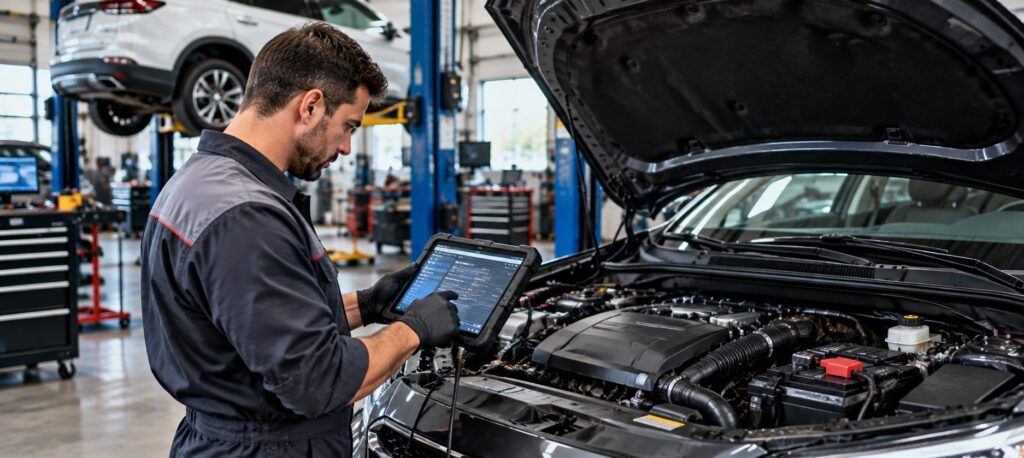
Modern cars are becoming increasingly dependent on computer systems, electronic sensors, and connected technology. These advancements can improve vehicle performance and safety, but they have also changed how cars are diagnosed and repaired. For many drivers, this raises an important question: Do you have the freedom to choose where your vehicle is serviced?
The automotive right-to-repair debate focuses on vehicle owners’ ability to choose who repairs their cars and whether independent repair shops can access the information and tools needed to perform those repairs. As vehicles become more technologically advanced, access to diagnostic data is becoming an increasingly important issue for consumers and automotive professionals.
Understanding right to repair can help drivers make informed decisions about maintenance, repair costs, and their options when a vehicle needs professional attention.
What Is Right to Repair?
Right to repair generally refers to the ability of consumers and independent service providers to repair products without unnecessary restrictions from manufacturers. In the automotive industry, this includes access to repair instructions, diagnostic information, replacement parts, specialized tools, and certain vehicle data.
Historically, many routine automotive repairs could be completed using mechanical knowledge and standard tools. Modern vehicles, however, rely on electronic control modules that manage systems such as engines, transmissions, braking, and driver assistance features.
When a vehicle develops a problem, a technician may need manufacturer-specific information or software to identify the cause and complete the repair correctly.
The U.S. Government Accountability Office’s report on vehicle repair and consumer choice explains how evolving vehicle technology can affect access to repair information and the options available to consumers.
Why Modern Cars Need Specialized Diagnostic Access
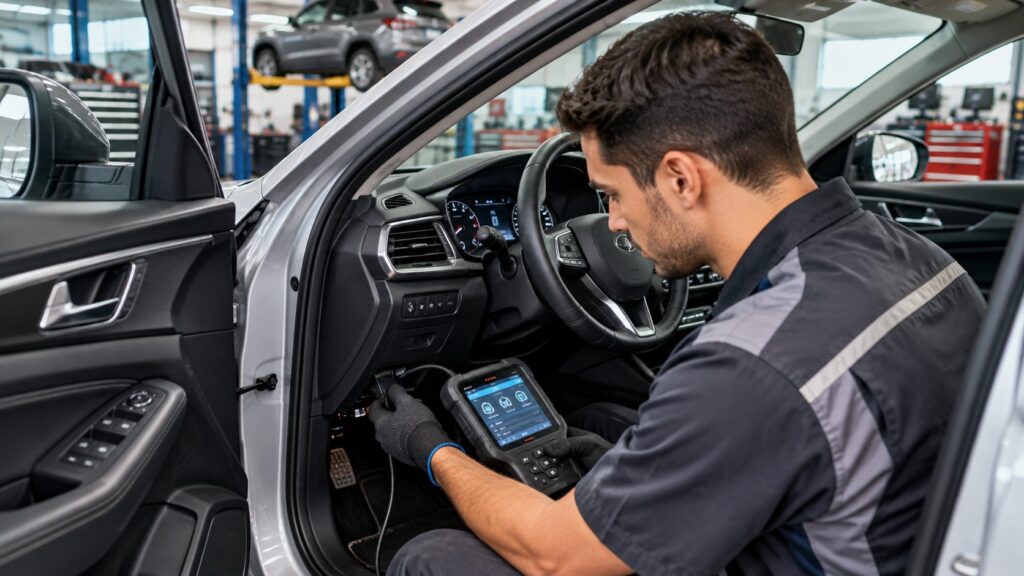
Many newer vehicles contain multiple electronic control units that communicate with sensors and other components. A dashboard warning light may indicate a problem, but the light alone does not necessarily identify the failed component.
Technicians may need to retrieve diagnostic trouble codes, examine live sensor readings, review wiring diagrams, or perform system-specific tests before recommending a repair.
Some procedures also require manufacturer-approved software, programming access, or calibration equipment. Replacing a component without following the correct procedure may leave a fault unresolved or cause another system to malfunction.
For this reason, access to accurate service information is important for both independent repair shops and dealership service departments.
How Right to Repair Can Affect Car Owners
Access to repair information can influence how conveniently and affordably drivers maintain their vehicles. If a repair requires information or tools that are difficult to obtain, a shop may need additional time, equipment, or assistance from another service provider.
Potential effects for consumers include:
- Repair costs: Specialized subscriptions, diagnostic tools, and additional labor can contribute to the total cost of certain repairs.
- Service options: Limited access to necessary information may restrict which shops can complete particular procedures.
- Repair time: Waiting for technical information, authorization, or specialized equipment may delay a repair.
- Vehicle ownership: Drivers may have fewer convenient options when maintaining older vehicles with increasingly complex systems.
These outcomes are not inevitable for every vehicle or repair. Many independent shops already have access to extensive diagnostic resources and manufacturer service information. The specific requirements depend on the vehicle, the procedure, and the systems involved.
For practical ways to evaluate repair recommendations and control expenses, read our guide on how to save money on car repairs without compromising quality.
Why Independent Auto Repair Shops Need Vehicle Data
Independent repair shops often service vehicles from multiple manufacturers. To diagnose and repair these vehicles effectively, technicians need reliable access to the appropriate service procedures, wiring diagrams, technical bulletins, and diagnostic information.
Connected vehicles introduce another consideration: some information can be transmitted wirelessly to manufacturer systems. Depending on the vehicle and the service required, a repair shop may need access to data that is not available through a basic diagnostic scanner.
The Auto Care Association’s overview of vehicle data access discusses why access to repair and maintenance information is central to the right-to-repair debate.
For drivers, the practical concern is whether a qualified shop can obtain the information, tools, and permissions needed to complete a repair safely and correctly. Access does not mean every shop can perform every repair immediately; specialized training, equipment, and manufacturer procedures may still be necessary.
Does Right to Repair Mean You Can Use Any Parts?
Right to repair is not simply a question of choosing original equipment manufacturer (OEM) parts or aftermarket alternatives. It also concerns whether owners and repair professionals can obtain the information needed to service a vehicle.
Depending on the repair, suitable replacement components may come from the original manufacturer or a third-party supplier. Compatibility, quality, warranty terms, and manufacturer specifications should all be considered before choosing a part.
Some components require programming, relearning, or calibration after installation. Safety-related systems may also have specific requirements that affect which parts and procedures are appropriate.
Drivers should ask their repair shop to explain the available options, any relevant limitations, and whether the proposed components meet the requirements for their particular vehicle.
How Safety and Cybersecurity Fit Into the Debate
Vehicle manufacturers and repair industry groups have raised questions about how expanded data access should be balanced with vehicle safety, cybersecurity, and consumer privacy.
Modern cars may contain sensitive information, and connected systems can communicate with external networks. Appropriate access controls, secure diagnostic procedures, and protection of personal data are therefore important considerations.
At the same time, access to repair information can help qualified technicians diagnose faults and maintain vehicle systems. The challenge is to support legitimate repairs while protecting critical systems from unauthorized access or unsafe modifications.
The National Highway Traffic Safety Administration’s vehicle safety resources provide information about vehicle safety issues and technologies that drivers should understand.
The Federal Trade Commission’s discussion of repair access also addresses broader concerns about restrictions that can affect consumers and independent repair providers.
What Is Happening With Right-to-Repair Legislation?
Right to repair remains an active policy discussion in the United States. Lawmakers, automakers, independent repair organizations, and other industry participants continue to debate how vehicle data, diagnostic access, and repair information should be made available.
For example, the proposed Right to Equitable and Professional Auto Industry Repair Act, commonly called the REPAIR Act, has been part of the federal discussion about automotive repair access. A proposal should not be confused with an enacted law, and its status or provisions may change as the legislative process continues.
The U.S. Congress website is a useful place to check the current status of federal legislation. State laws and rules may differ, so drivers should not assume that the same requirements apply everywhere.
For additional industry context, the 2026 automotive aftermarket trends report from MOTOR and S&P Global Mobility discusses the growing importance of diagnostics, data access, and advanced vehicle systems for the repair industry.
How to Choose a Repair Shop for a Modern Vehicle
Regardless of how right-to-repair policies develop, drivers can take practical steps to make better repair decisions.
- Ask about diagnostic capabilities. Find out whether the shop has the equipment and technical information needed for your vehicle and the specific repair.
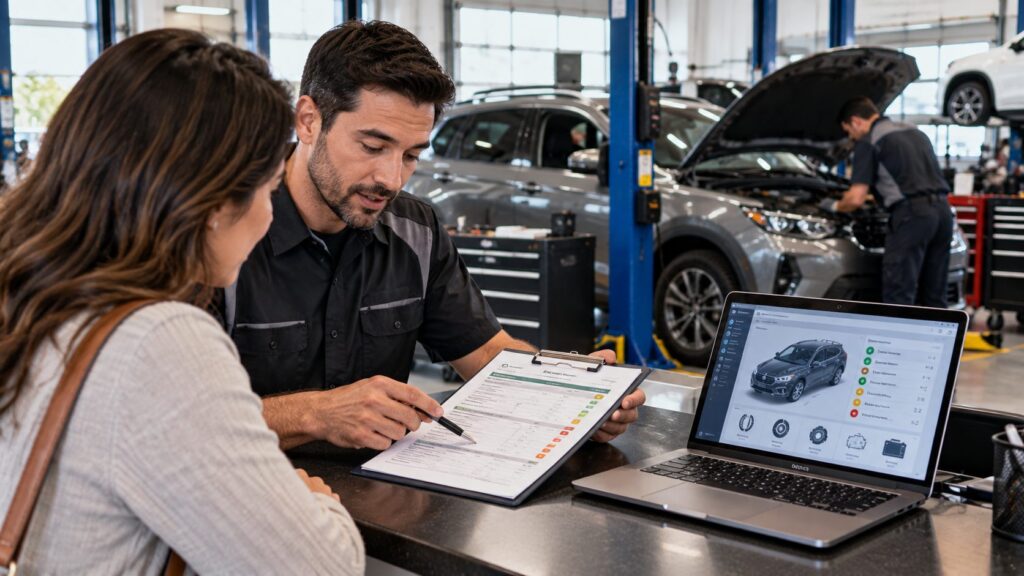
- Request a clear explanation. Ask what the diagnostic findings indicate, which repair is recommended, and why it is necessary.
- Review the estimate. Understand the expected labor, parts, diagnostic charges, and any additional programming or calibration costs.
- Check warranty requirements. Review applicable warranties and ask whether a proposed repair could affect particular coverage terms.
- Keep service records. Save invoices, diagnostic reports, and maintenance history to help with future repairs and troubleshooting.
If your vehicle displays warning lights, develops unusual noises, or changes its driving behavior, a professional inspection can help identify the underlying problem. Our article on signs your car needs a check-up explains common symptoms that should not be ignored.
What Right to Repair Could Mean for the Future
As vehicles become more connected and software-dependent, repair access is likely to remain an important issue for drivers and the automotive service industry. Diagnostic tools, vehicle data, cybersecurity protections, and technician training will all influence how repairs are performed.
The broader goal is to help vehicle owners make informed choices while ensuring that repairs follow appropriate technical and safety requirements. Clear service information and access to suitable diagnostic resources can support more transparent decisions about maintenance and repair.
Final Thoughts
Right to repair is about more than who can fix a vehicle. It concerns access to information, consumer choice, repair costs, and the ability of qualified professionals to maintain increasingly complex cars.
Drivers can protect their interests by understanding repair estimates, asking questions about diagnostic procedures, and choosing a shop equipped to service their particular vehicle. As technology and legislation continue to evolve, staying informed can help consumers make more confident decisions about automotive care.